
XROBOT Courses
Six core programs across four disciplines. From first contact to capstone-grade engineering.
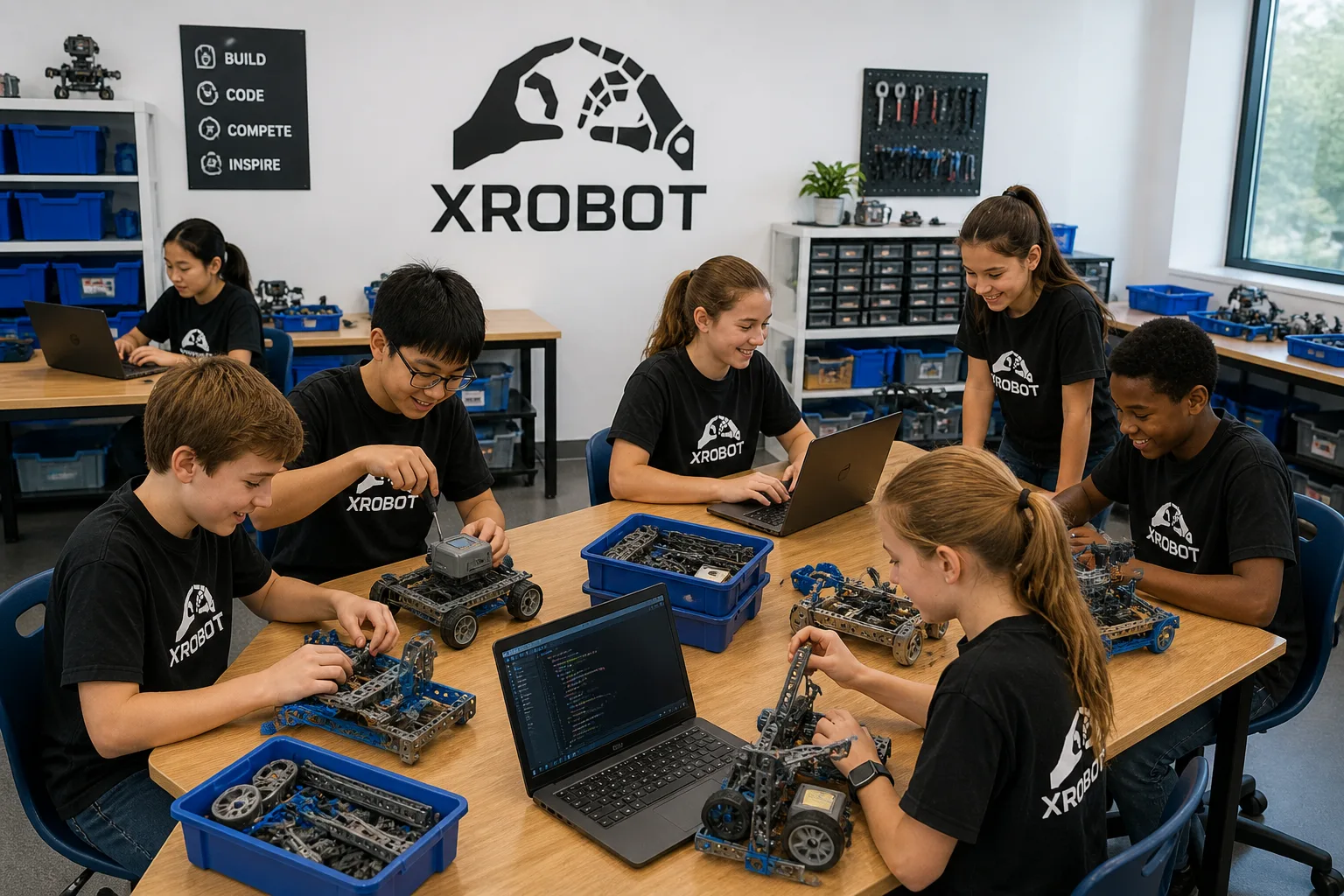
Introduction to Robotics Programming with VEX IQ
A beginner-friendly robotics engineering course where students learn to build, code, and solve real-world challenges using the VEX IQ Robotics System platform and block-based programming with VEXcode IQ. Through hands-on projects, students develop computational thinking, engineering logic, and creative problem-solving skills while bringing real robots to life.
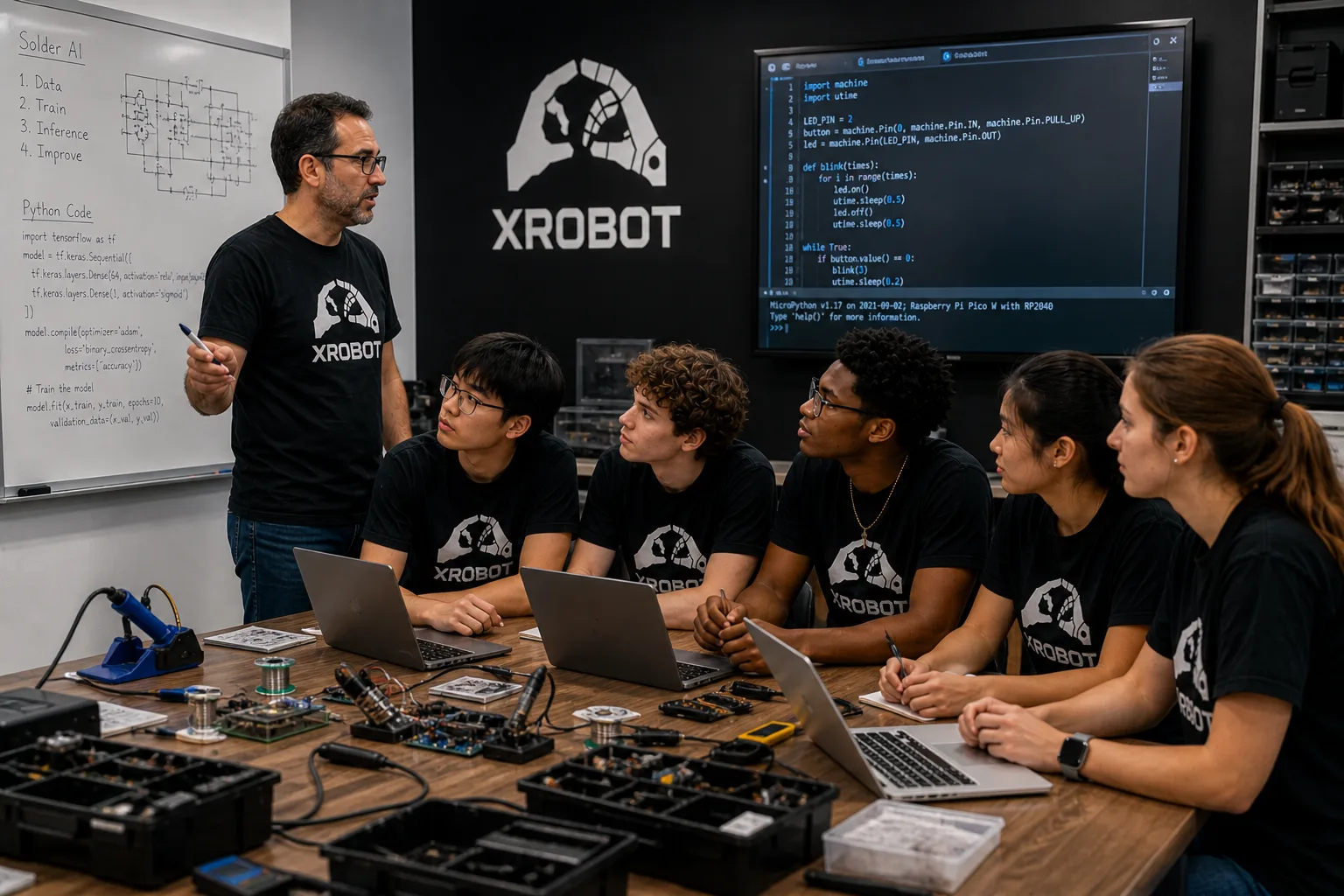
Python for Engineers
Python for Engineers is a practical coding course designed for students who want to use programming to solve real engineering problems. This course is not only about learning Python syntax. Students will learn how engineers use Python to control data, automate tasks, build logic, test ideas, and connect programming with robotics, AI, automation, and real-world systems. Through hands-on projects, students will develop computational thinking, problem-solving skills, and the ability to turn ideas into working programs.
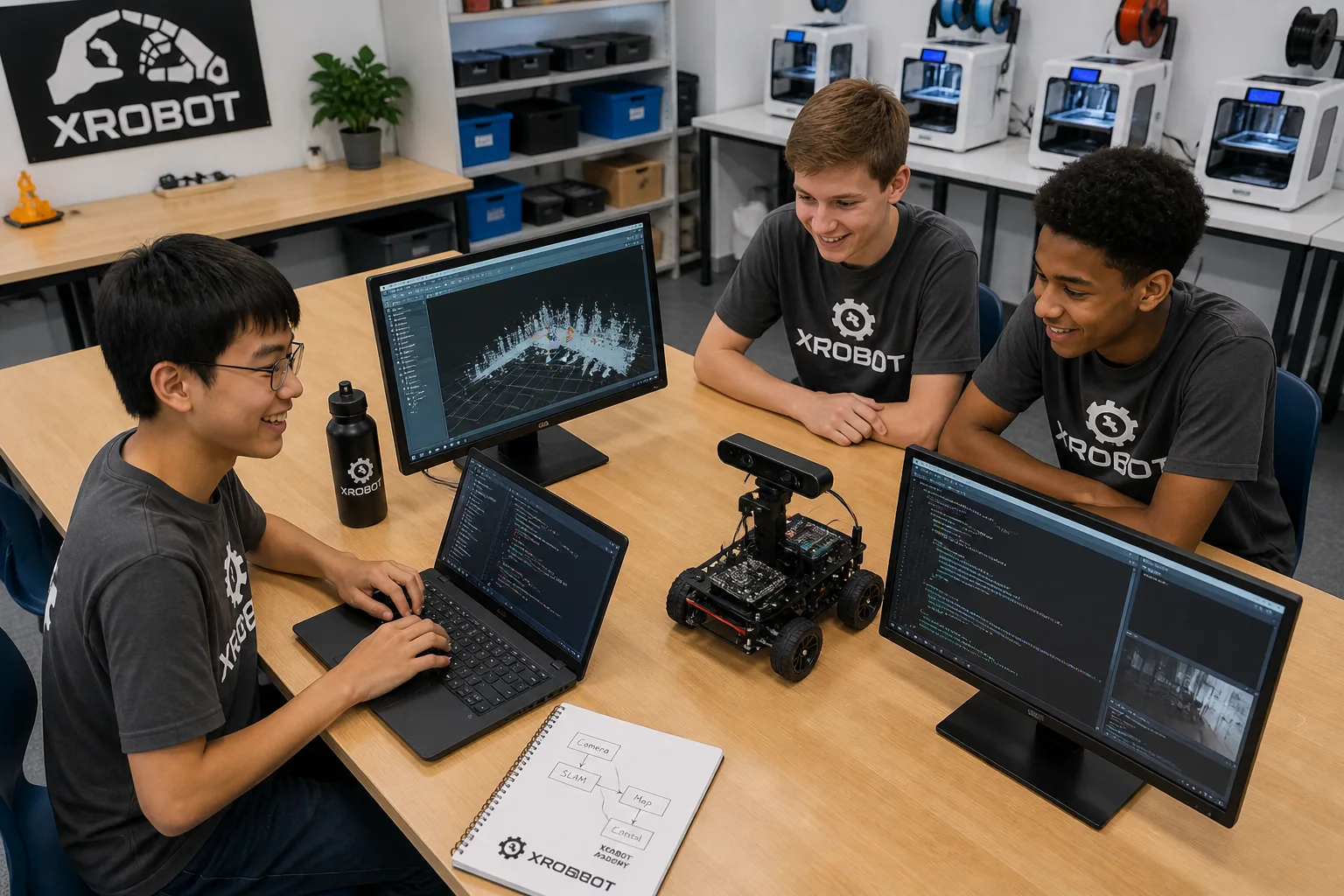
Applied AI Systems
Applied AI Systems is a project-based course that helps students understand how artificial intelligence is used in real-world systems. Students will not only learn what AI is, but also how AI can be applied to solve practical problems, support decision-making, analyse information, automate tasks, and interact with humans. Through hands-on projects, students will explore key AI concepts such as machine learning, computer vision, natural language processing, AI agents, data, prompts, and system design. This course helps students move beyond simply using AI tools. They will begin to understand how AI systems are built, how they work, and how they can be applied responsibly in engineering, robotics, business, and daily life.
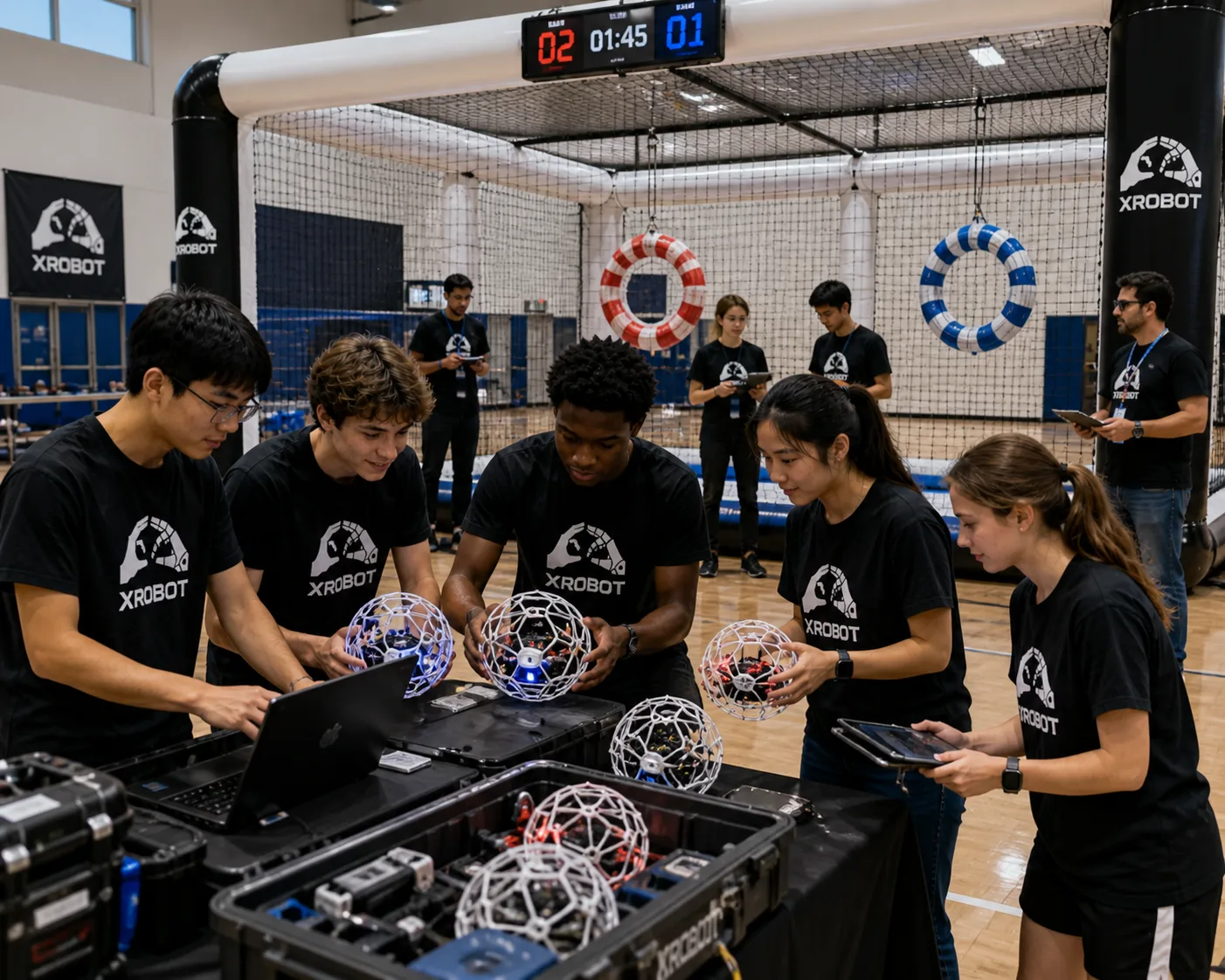
Autonomous drone pliot
Autonomous Drone Pilot is a hands-on engineering course that introduces students to drone technology, flight control, coding, and autonomous navigation. Students will learn how drones fly, how sensors support stable movement, how flight commands are controlled, and how programming can help drones complete tasks automatically. This course goes beyond basic drone flying. Students will explore the engineering logic behind drone systems, including movement control, safety awareness, mission planning, obstacle response, and basic autonomous behaviours. Through practical projects and flight challenges, students develop problem-solving skills, spatial thinking, engineering confidence, and a deeper understanding of robotics and aerospace technology.
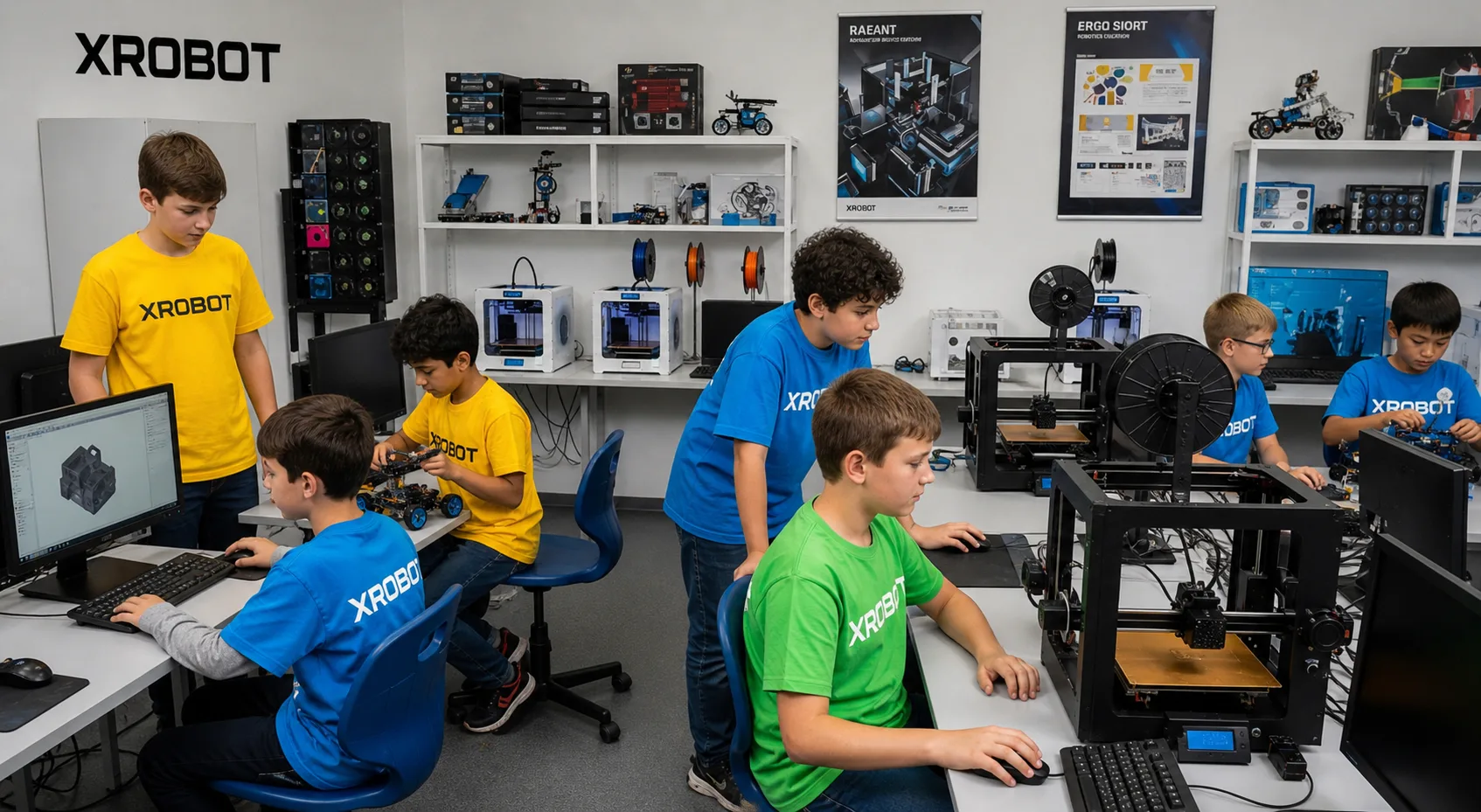
3D Modeling & 3D Printing
3D Modeling & 3D Printing is a hands-on design and engineering course that teaches students how to turn ideas into real physical objects. Students will learn the basic principles of 3D design, digital modeling, measurement, structure, prototyping, and 3D printing. They will explore how engineers and designers create parts, test ideas, improve designs, and manufacture objects using modern digital tools. This course helps students develop spatial thinking, creativity, problem-solving skills, and engineering design confidence.
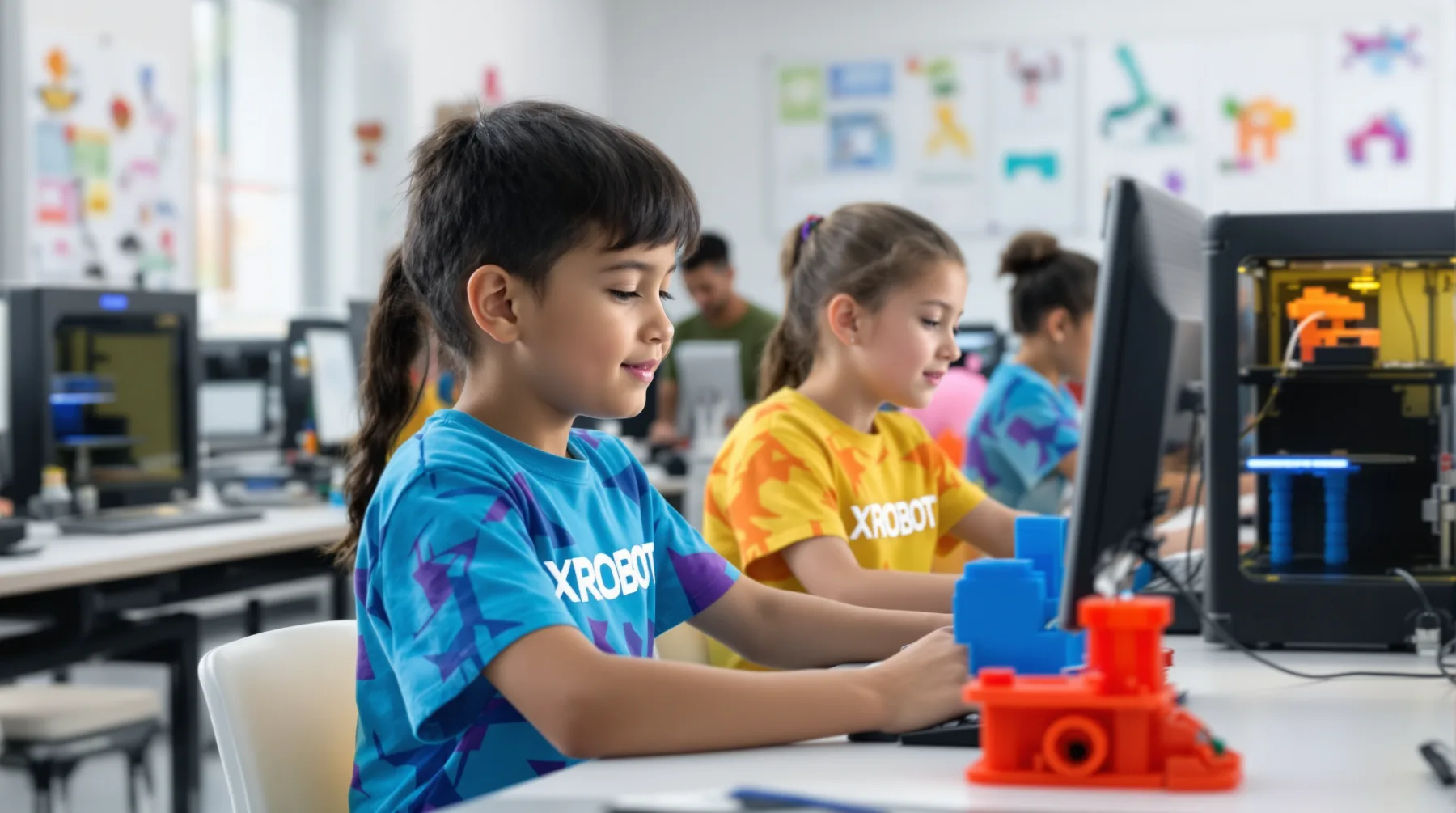
Scratch for Robotics
cratch for Robotics is an introductory coding course designed to help young students understand the basic logic behind robotics. Students will use Scratch to learn how programs control movement, respond to events, make decisions, repeat actions, and interact with the environment. Instead of only creating simple animations or games, students will connect Scratch coding concepts with real robotics thinking, such as commands, sequences, sensors, conditions, loops, control logic, and automation. This course builds a strong foundation for future robotics, VEX, Python, AI, and engineering learning.
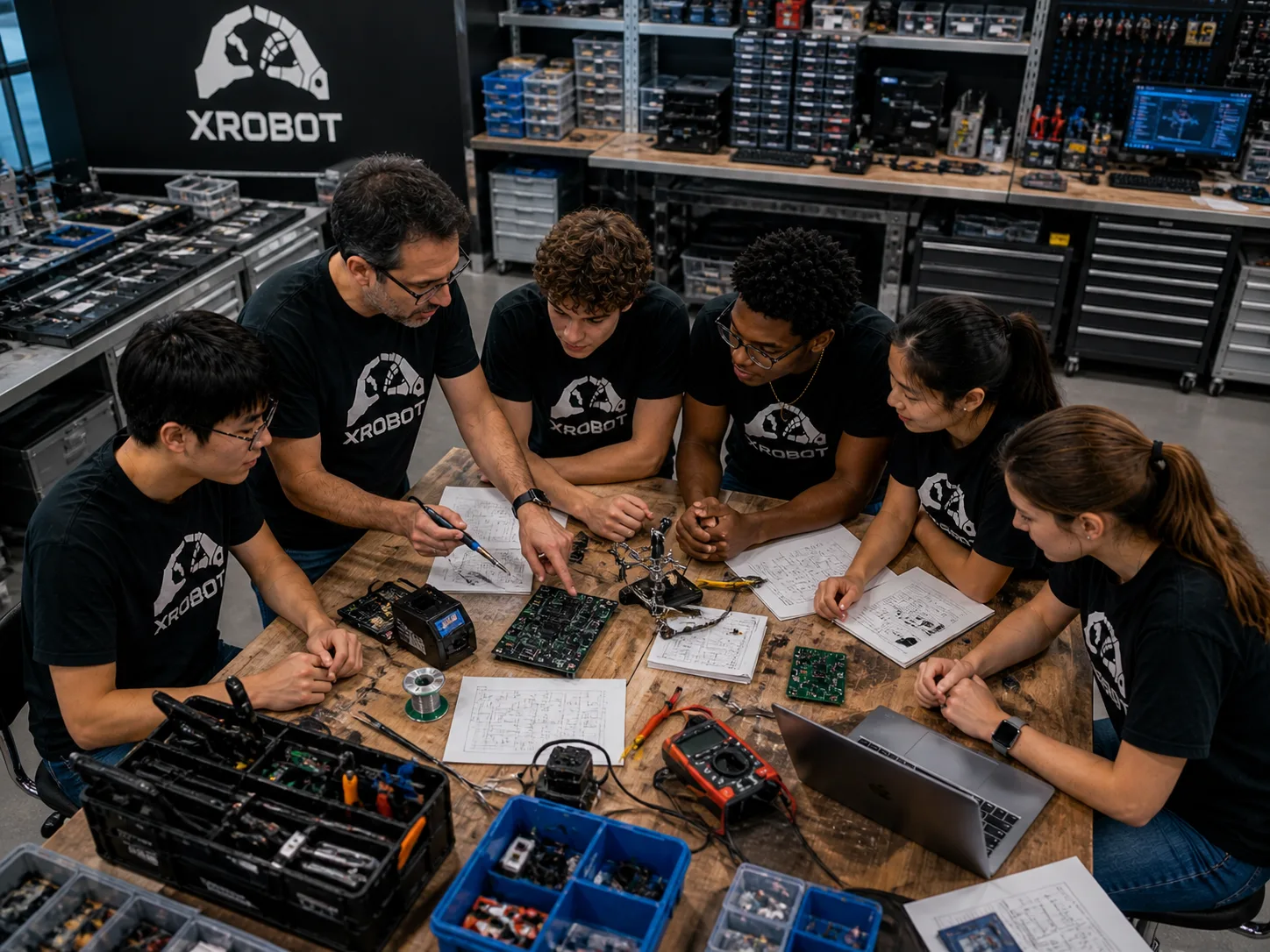
Embedded Systems & IoT Engineering
Embedded Systems & IoT Engineering is a hands-on engineering course that teaches students how to control real hardware using code. Students will learn how microcontrollers such as Arduino and ESP32 work, and how they can be used to control sensors, motors, lights, buzzers, displays, and smart devices. This course introduces students to the foundation of embedded systems, Internet of Things, automation, and robotics hardware control. Through practical projects, students will learn how devices sense information, process signals, make decisions, and respond to the physical world. Students will move beyond screen-based coding and begin to understand how software connects with electronics, hardware, and real-world systems.
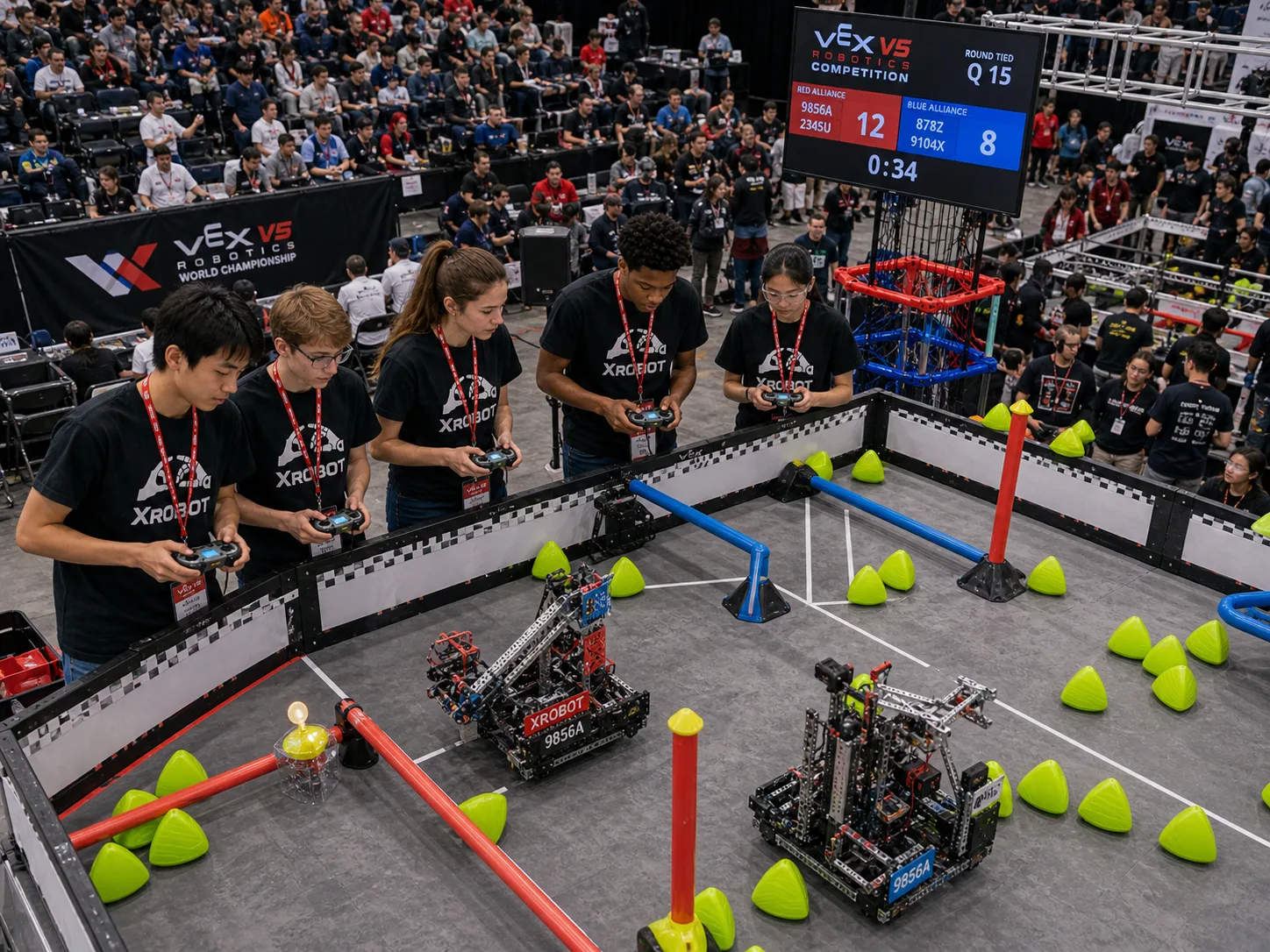
VEX World Championship Camp
VEX World Championship Camp is an intensive competition training program designed for students who are preparing for VEX robotics competitions. Students will learn how to analyse game rules, design competitive robot structures, improve driving skills, develop autonomous programs, build teamwork strategies, and prepare for real tournament environments. This camp is not only about building a robot. It is about learning how to think, design, test, compete, and improve like an engineering team.
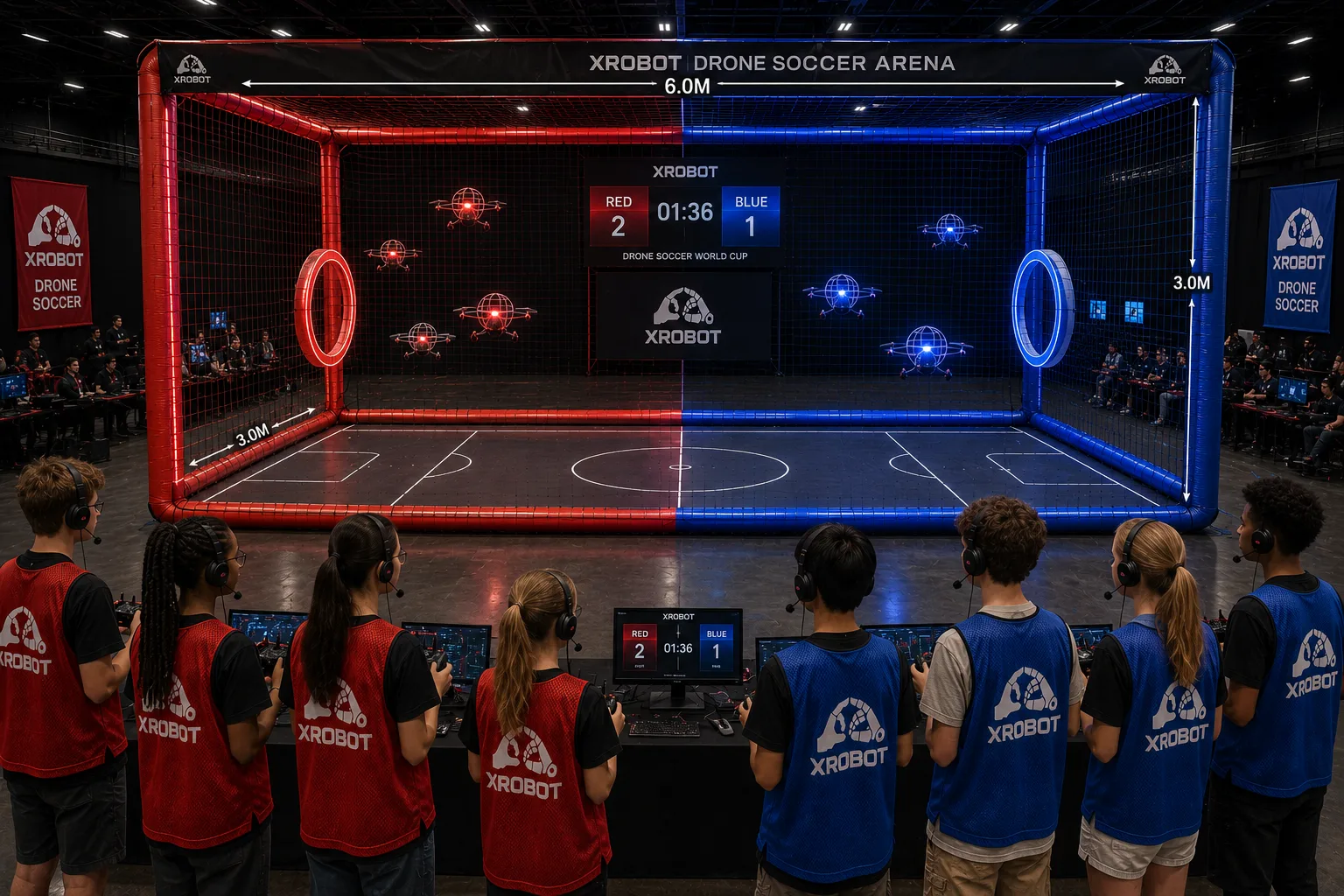
Drone Soccer Flight Control & Team Match Training
Develop practical drone flight-control skills through structured training, tactical challenges and exciting team matches. Students learn precision flying, goal scoring, communication and team strategy inside a purpose-built enclosed Drone Soccer arena.